
The Power of Peptides For Superior T Cell Stimulation

T cell stimulation assays play an important role in modern immunology research. Not only are they useful tools in infectious disease and cancer immunotherapy studies, but they’re also critical aspects in various vaccine and drug development pipelines. Assays such as ELISpot, FluoroSpot and intracellular cytokine staining (ICS) are cornerstones of this effort, allowing researchers the opportunity to detect secreted biomarkers in vitro using patient-derived samples such as peripheral blood mononuclear cells (PBMCs). While whole proteins, serum and live pathogens can all be used to trigger T cell activation, this is not a standardized method and is commonly associated with batch-to-batch variability. This approach can also activate other immune cell types non-specifically and induce uncoordinated cytokine release. They can introduce confounding factors into an experimental setup – such as endotoxins, immune system elements or unexpected viral/bacterial variants while also making it difficult to differentiate which epitopes are responsible for stimulation. It’s also worth noting the additional biosafety risks associated with live pathogens or serum – particularly in pipelines designed for cell therapy or drug development, where strict regulatory approval must be considered.12 Peptide pools are a game-changing technology when it comes to T cell stimulation research. While their concept and design are relatively simple, they offer superior specificity, robustness and ease of handling when compared to their live pathogen, serum or whole antigen counterparts. This article highlights the power of peptide pools in T cell research, exploring the mechanisms of T cell stimulation and the future of peptide pool applications. A closer look at T cell stimulation While it’s easy to think of T cell stimulation as an all-or-nothing principle, it’s important to acknowledge the nuance and variability in this biological system. T cell responses (to a pathogen or antigen) are not haphazard reactions; in fact, they are highly specific, coordinated responses to small fragment regions of a foreign or stimulatory protein – not an entire organism or macromolecular structure. These small fragment regions, known as epitopes, are recognized through complementary binding to T cell receptors (TCR) on lymphocyte (T cell) surfaces. For a T cell to be activated, its TCRs must bind to specific epitopes and initiate a downstream intracellular signaling cascade. As TCRs themselves possess no inherent enzymatic activity, activation is mediated through protein kinases and ultimately transcription factor activity.3 Figure 1: A selection of peptide sequences from epitopes within a whole protein structure. TCRs recognize epitopes derived from both intracellular and extracellular pathogen proteins. Crucially, they don’t bind to the raw epitope sequence; instead, they bind to processed molecules presented on the surface of antigen-presenting cells (APCs).4 These APCs feature Major Histocompatibility Complex (MHC) molecules, specifically Class I and Class II. APCs first internalize and process the viral and bacterial epitopes before displaying them within the MHC binding cleft.5 Intracellular epitopes (like those from nuclear or cytosolic proteins) are typically presented on MHC Class I. Conversely, extracellular epitopes (such as those from capsid or vesicular proteins) usually present on MHC Class II, although there are through to be some limited exceptions. Both MHC Class I and MHC Class II presentations stimulate different T cell subtypes (CD8+ and CD4+ respectively). Figure 2: Major Histocompatibility Complex (MHC) Class I and Class II molecules. Not all epitopes are equally effective at eliciting a T cell response. In fact, all epitopes exhibit varying degrees of stimulatory signaling, also known as immunodominance. While the exact mechanisms underpinning immunodominance are still debated, some factors may include the relative expression (concentration) of the epitope or genetic/protein-level variant expression in the pathogen or host.6 Identifying and using only the most immunodominant epitopes can be one way to strengthen and control T cell stimulation assays and remove confounding factors. Furthermore, it can help researchers better understand the factors driving an immune response, define precise antigenic targets, or evaluate novel therapeutics. Many immunodominant structures are already reported in open-source databases such as the Immune Epitope Database (IEDB). The power of peptides in T cell stimulation robusticity Peptide pools offer a strategic solution to the challenge of epitope and immunodominance variability. They can be precisely engineered in the lab using biochemical methods to collectively reflect the major immunodominant regions of an antigen or pathogen of interest. They may be engineered as overlapping or non-overlapping sequence constructs, depending on the need for structural coverage. While overlapping peptide pools are important for epitope mapping, non-overlapping sequences are ideal for ensuring the robustness of immune stimulation; they allow researchers to target multiple immunodominant regions, optimizing T cell stimulation in response to known TCR/epitope sequence pairings. Unlike whole proteins (which must undergo complex and sometimes inefficient intracellular processing), peptide pools also bypass a major bottleneck in the immune signaling pathway. Being relatively small, they’re ready to be internalized and shown on the surface of antigen-presenting cells (APCs) without the need for additional, biologically variable cleavage steps. The resulting, highly controlled presentation of immunodominant epitopes further ensures comprehensive coverage, superior stimulation and more reliable data. Through clever, expertise-informed design, peptide pools can also be engineered with MHC Class and immune cell subtypes in mind; in fact, products can be designed to cover both Class I and II with equally potent immunogenicity, providing an in vitro model that accurately reflects infection biology without introducing undue variable factors. The future of peptide-based T cell assays The advent of synthetic peptide pools for immunology research is enabling scientists and clinicians to conduct far more accurate and scientifically valid analyses of T cell stimulation than ever before. By moving beyond the limitations of whole antigen, serum and live pathogen stimulation options, it is now possible to achieve comprehensive epitope representation without compromising experimental design and while maximizing workflow biosafety. Peptide pools not only overcome the challenges of unknown variant factors and genetic polymorphisms but also enhance the sensitivity and specificity of immunological assays. As a result, peptide pools have become an indispensable tool for immunologists, providing a powerful and reliable method to explore cellular immune responses with unprecedented precision. Ready to explore T cell stimulation with
Major New Study Reveals Immunological Insights Into ME/CFS, Further Supporting Blood-based Diagnostic Testing and Research

Myalgic encephalomyelitis (ME/CFS), also known as chronic fatigue syndrome, is a complex condition characterized by post-exertional fatigue and a range of neuroimmune symptoms. It is one of several debilitating conditions that fall under the diagnostic umbrella of post-acute infection syndrome (PAIS) due to its association with an incomplete recovery from viral disease. ME/CFS often presents with complexity and varying severity in the clinic. This means that it can be particularly difficult to diagnose, with approaches relying heavily on observational study and patient symptom self-reporting. While the diagnosis of ME/CFS is becoming easier as clinical awareness increases, challenges still remain due to the lack of a definitive and quantitative in vitro test.12 DecodeME and the Immunological Basis Of ME/CFS A major new study (DecodeME) led by the University of Edinburgh has revealed exciting new insights into the immunological components of ME/CFS with potential implications for future diagnostic development. The research, which supports the role of neuroimmune dysfunction in ME/CFS, reveals an association between key immune response and nervous system function genes and clinically validated ME/CFS presentations. The study, which analyzed the DNA of more than 15,500 people, identified eight specific genetic signals linked to the condition. Notably, several of these genetic variants were directly related to immune response and nervous system function, supporting long-standing clinical observations and patient-reported symptoms. Two of the discovered genetic variants were specifically tied to infection response mechanisms, further supporting the role of viral infection in ME/CFS pathogenesis. Supporting Blood-based Diagnostic Tests for ME/CFS While ME/CFS symptoms are varied, many experts believe that the key to a prospective in vitro diagnostic test could lie within patients’ blood.3 Immune cells – also known as T cells – reside within patients’ blood plasma and often show hallmark signs of dysfunction in cases of chronic fatigue. These dysfunctional changes, while yet to be fully elucidated, could be reflective of the genetic findings reported by DecodeME. Hence, the latest research further supports the potential for blood-based ME/CFS diagnostic testing and highlights the prospective role for T cell analysis in disease stratification and research. Translational Benefits of the Research The DecodeME study findings reinforce what many patients and clinicians have observed for years: unresolved infection can be a trigger for developing ME/CFS. Our ViraxImmune™ platform, which is currently being developed, is designed to explore these same questions from a different angle. We investigate the dysfunctions of the immune system, and specifically T cell response, which is critical in fighting off infections and managing chronic conditions. The DecodeME study’s results highlight the role of the immune system genes ,providing strong external validation for our in-development assay for the clinical diagnosis of PAIS. This assay could offer doctors and their patients unprecedented insights into adaptive immune dysfunction status, known to be associated with ME/CFS. By developing tools that help clinicians understand and manage post-viral immune dysfunction, we aim to provide better diagnostics and personalized treatment strategies. ** Want to learn more about ViraxImmune™? Subscribe to our newsletter for the latest updates and advancements. ** ** Caution Concerning Forward Looking Statements: This blog post contains forward-looking statements. In addition, from time to time, we or our representatives may make forward-looking statements orally or in writing. We base these forward-looking statements on our expectations and projections about future events, which we derive from the information currently available to us. Such forward-looking statements relate to future events or our future performance, including: our financial performance and projections; our growth in revenue and earnings; and our business prospects and opportunities. You can identify forward-looking statements by those that are not historical in nature, particularly those that use terminology such as “may,” “should,” “expects,” “anticipates,” “contemplates,” “estimates,” “believes,” “plans,” “projected,” “predicts,” “potential,” or “hopes” or the negative of these or similar terms. In evaluating these forward-looking statements, you should consider various factors, including: our ability to change the direction of the Company; our ability to keep pace with new technology and changing market needs; and the competitive environment of our business. These and other factors may cause our actual results to differ materially from any forward-looking statement. Forward-looking statements are only predictions. The forward-looking events discussed in this blog post and other statements made from time to time by us or our representatives, may not occur, and actual events and results may differ materially and are subject to risks, uncertainties, and assumptions about us. These forward-looking statements are based on information currently available to Virax and its current plans or expectations and are subject to a number of known and unknown uncertainties, risks and other important factors that may cause our actual results, performance or achievements to be materially different from any future results, performance or achievements expressed or implied by the forward-looking statements. These and other important factors are described in detail in the “Risk Factors” section of Virax’s Annual Report on Form 20-F for the year ended March 31, 2024. Although we believe the expectations reflected in such forward-looking statements are reasonable, we can give no assurance that such expectations will prove to be correct. We are not obligated to publicly update or revise any forward-looking statement, whether as a result of uncertainties and assumptions, the forward-looking events discussed in this blog post and other statements made from time to time by us or our representatives might not occur.
Diagnosing Long COVID: A Gut-Immune Perspective.

Diagnosing chronic, post-acute inflammatory conditions – like Long COVID – remains a persistent challenge for researchers and healthcare professionals alike. The variable presentation of symptoms – along with the allusivity of an exact cause – make these conditions difficult to pin down in the clinic. Current diagnostic approaches rely on highly speculative patient questionnaires; these, while useful, do not provide researchers or clinicians with accurate measures of symptomology – nor do they provide quantitative data to stratify disease severity or explore potential disease subtypes. The urgent need for accurate, improved diagnostics has led researchers to explore a variety of options when it comes to sample types – including stool and blood. In recent years, a research focus on the gut microbiome has led scientists to speculate whether stool samples may offer a convenient, non-invasive option for diagnosis and stratification – offering the opportunity to profile distinct microbial “signatures” reflective of disease status. Yet, with the exact cause of Long COVID still unknown, the jury is out on whether microbiome profiling will translate to the clinic; there remain no approved diagnostics using this approach. This article highlights some of the latest research into the Long COVID microbiota. It also explores the benefits and drawbacks of potential stool-based microbiome profiling compared to blood-based biomarker detection. What Causes Long COVID? Long COVID (also known as “post-acute sequalae of COVID-19”, or “PASC”) is a chronic illness characterized by an array of variable, sometimes debilitating symptoms —from profound fatigue and cognitive impairment to cardiovascular symptoms and neuropathic pain. It occurs in some (but not all) people who have experienced an acute SARS-CoV2 virus infection and can persist for many months, or even years, after the initial infection has cleared. While the exact causes of Long COVID remain unknown, research suggests that the gut microbiome may play a profound role in its ongoing symptomology. Gut Dysbiosis and Long COVID Gut dysbiosis is defined as an imbalance or disruption in the gut microbiome. It can be caused by a variety of factors, including viral infection, inflammation, stress and medication. While it’s perhaps unsurprising that gut dysbiosis is a common effect of Long COVID, it is unclear whether such changes are symptomatic or causative. Several dysbiosis changes have been identified as disease ‘hallmarks’ in patients that have a verified Long COVID diagnosis. These hallmark changes include an increase in commensal pathogens (such as Clostridium, Micrococcus and Vellonella) alongside a decrease in the abundance of beneficial bacteria (Bifidobacterium, Faecalbacterium and Eubacterium). While the cause of such changes are yet to be fully understood, some experts believe that gut-immune system crosstalk could be, at least in part, responsible for this effect. Some experts speculate that the aggressive induction pro-inflammatory cytokine signalling may potentiate the depletion of beneficial immunomodulatory bacteria – creating a feedback loop that sustains the pro-inflammatory environment. As bacterial metabolites – such as short-chain fatty acids (SCFAs) – are known to enhance the expansion and maturation of the immune system’s T cells, it is possible that this molecular crosstalk perpetuates immune dysregulation and contributes to the T cell dysfunction also observed in PASC patients. Explore Virax kits and assays for T cell profiling and immune analysis. Could We Diagnose Long COVID Using Stool Samples? In a 2022 scientific study published in Gut, researchers were able to effectively characterize PASC patients according to stool-based microbiome profiling 6 months after an initial SARS-CoV2 infection. They also identified that non-PASC patients (who had also had COVID) displayed a recovered intestinal microbiota, highlighting the diagnostic potential of Long COVID specifically. While there is clear potential for microbiome profiling in PASC diagnosis and research, several challenges prohibit the implementation of this approach. Firstly, the inherent heterogeneity of the human microbiome presents a barrier to developing a one-size-fits-all solution. In addition, the high cost of microbiome metagenomic sequencing means that routine stool sampling testing at this analytical depth is not economically viable in a healthcare setting. Hence, while diagnosing Long COVID using stool sampling is theoretically possible, it remains limited by bottlenecks. The Benefits of Blood and Blood-Derived Cells Researchers have found that, like the microbiome, the adaptive immune system also reflects several, measurable hallmarks of Long COVID. These hallmarks patterns include T cell dysfunction – an effect that is both cheaper and easier to measure than microbial dysbiosis. As such, blood-based sampling may offer several benefits in clinical applications; it may also facilitate easier research into PASC and PASC-related conditions. Conclusion While gut microbiome profiling can offer insights into the pathophysiology of Long COVID, the high cost of comprehensive sequencing and heterogeneity of sample types limit widespread clinical application. Conversely, research into blood-based biomarkers, particularly those reflecting adaptive immune system, is gaining traction. These blood-derived measurements present a more accessible and economically viable approach for both routine clinical assessment and large-scale research into Long COVID and other PAIS conditions. Ready to explore T cell profiling in blood-based sample types? Visit our website to learn more about our kits, reagents and custom immunology services. ** ** Caution Concerning Forward Looking Statements: This blog post contains forward-looking statements. In addition, from time to time, we or our representatives may make forward-looking statements orally or in writing. We base these forward-looking statements on our expectations and projections about future events, which we derive from the information currently available to us. Such forward-looking statements relate to future events or our future performance, including: our financial performance and projections; our growth in revenue and earnings; and our business prospects and opportunities. You can identify forward-looking statements by those that are not historical in nature, particularly those that use terminology such as “may,” “should,” “expects,” “anticipates,” “contemplates,” “estimates,” “believes,” “plans,” “projected,” “predicts,” “potential,” or “hopes” or the negative of these or similar terms. In evaluating these forward-looking statements, you should consider various factors, including: our ability to change the direction of the Company; our ability to keep pace with new technology and changing market needs; and the competitive environment of our business. These and other factors may cause our actual
Chronic Illness and The Immune System: Could ViraxImmune™ Offer a Critical Diagnostic Breakthrough?

A recent Wall Street Journal commentary by Yale immunologist Akiko Iwasaki and cardiologist Harlan Krumholz highlights how immune dysfunction following infection may drive a spectrum of chronic diseases—including long COVID, myalgic encephalomyelitis/chronic fatigue syndrome (ME/CFS), and post-treatment Lyme disease. The authors call for advanced diagnostics that can map persistent immune responses and uncover mechanistic drivers of post-infectious disease. This aligns closely with the aim of ViraxImmune™, a novel immune profiling assay currently in development. Designed to quantify immune exhaustion and cellular dysfunction, ViraxImmune™ provides a quantitative readout of T cell function—offering data to support clinical decision-making and research stratification. What is Post-Acute Infection Syndrome? Post-acute infection syndromes (PAIS) are debilitating conditions that persist long after the initial infection. While symptoms like fatigue, brain fog, and chronic pain are common among these conditions, the underlying biology is complex. Increasingly, PAIS are being linked to persistent immune activation, T cell exhaustion, and imbalances in cell signaling (cytokine) profiles, which disturb normal immune function and lead to chronic inflammation. Despite global research funding, including NIH’s RECOVER Initiative and UKRI’s long COVID funding stream, no validated diagnostic currently exists to stratify patients or confirm ongoing immune dysfunction—slowing progress in both clinical management and therapeutic trials. The $3.7 Trillion Problem According to recent estimates published in Nature Reviews Drug Discovery, the economic impact of long COVID in the U.S. exceeds $3.7 trillion, driven by lost productivity, direct healthcare costs, and long-term disability. New diagnostic tools could ease this burden by enabling faster, more accurate identification of affected individuals—reducing unnecessary treatments, disability timelines, and uncertainty for both patients and providers. Introducing ViraxImmune™: A New Standard in Immune Diagnostics ViraxImmune™ directly assesses immune health by measuring cytokines secreted from activated peripheral blood mononuclear cells (PBMCs)—a diverse population of immune cells, including T cells, B cells, NK cells, and monocytes, critical for host defense. Unlike symptom-based questionnaires or antibody tests, this approach provides an objective evaluation of immune dysfunction, including T cell exhaustion, commonly observed in post-acute infection syndromes. The ViraxImmune™ platform integrates the latest, innovative methods with tried and tested FluoroSpot technology to produce clear, easy-to-interpret immune dysfunction scores. This reduces subjectivity, supports consistent monitoring over time, and enhances patient stratification in clinical trials. Clinicians can then make more informed decisions regarding diagnosis, ongoing monitoring, and long-term care planning. Currently undergoing clinical evaluation, ViraxImmune™ represents a promising advancement in diagnostics for immune-related chronic illnesses. Why It Matters Now There’s a growing consensus that many chronic diseases may start in the immune system. That idea, once considered fringe, is now supported by major studies. Our efforts reflect this paradigm shift—from viewing these illnesses as psychosomatic or idiopathic to understanding them as immune-mediated disorders. Virax Biolabs remains committed to advancing immune profiling technologies, such as ViraxImmune™, through rigorous research and clinical validation. As attention turns toward the long-term impacts of chronic illnesses, diagnostics like ours could contribute to earlier detection, more personalized care, and more efficient clinical trial design ** Want to stay informed about our progress? Subscribe to our newsletter for updates on our clinical development efforts and scientific collaborations. ** ** Caution Concerning Forward Looking Statements: This blog post contains forward-looking statements. In addition, from time to time, we or our representatives may make forward-looking statements orally or in writing. We base these forward-looking statements on our expectations and projections about future events, which we derive from the information currently available to us. Such forward-looking statements relate to future events or our future performance, including: our financial performance and projections; our growth in revenue and earnings; and our business prospects and opportunities. You can identify forward-looking statements by those that are not historical in nature, particularly those that use terminology such as “may,” “should,” “expects,” “anticipates,” “contemplates,” “estimates,” “believes,” “plans,” “projected,” “predicts,” “potential,” or “hopes” or the negative of these or similar terms. In evaluating these forward-looking statements, you should consider various factors, including: our ability to change the direction of the Company; our ability to keep pace with new technology and changing market needs; and the competitive environment of our business. These and other factors may cause our actual results to differ materially from any forward-looking statement. Forward-looking statements are only predictions. The forward-looking events discussed in this blog post and other statements made from time to time by us or our representatives, may not occur, and actual events and results may differ materially and are subject to risks, uncertainties, and assumptions about us. These forward-looking statements are based on information currently available to Virax and its current plans or expectations and are subject to a number of known and unknown uncertainties, risks and other important factors that may cause our actual results, performance or achievements to be materially different from any future results, performance or achievements expressed or implied by the forward-looking statements. These and other important factors are described in detail in the “Risk Factors” section of Virax’s Annual Report on Form 20-F for the year ended March 31, 2024. Although we believe the expectations reflected in such forward-looking statements are reasonable, we can give no assurance that such expectations will prove to be correct. We are not obligated to publicly update or revise any forward-looking statement, whether as a result of uncertainties and assumptions, the forward-looking events discussed in this blog post and other statements made from time to time by us or our representatives might not occur. Media and Investor Contact:
Understanding the Risks of RSV This Fall

As the leaves begin to change and temperatures start to drop, the approach of fall is met with anticipation and excitement. However, this year, a concerning shadow looms over the season. Respiratory Syncytial Virus (RSV), a common cause of respiratory infections in children and adults alike, has taken an unexpected turn. Recent events in the Southern Hemisphere provide valuable insights into the potential risks that RSV may pose this fall. Today, we’ll delve into the nature of RSV, explore its impact in the Southern Hemisphere, and discuss the measures that can be taken to mitigate its effects as we approach the cooler months. Understanding RSV: Respiratory Syncytial Virus (RSV) is a highly contagious virus that primarily affects the respiratory tract. It can lead to a range of symptoms, from mild cold-like symptoms to more severe lower respiratory tract infections, particularly in infants, young children, and older adults. RSV spreads through droplets from coughs and sneezes or by touching contaminated surfaces. RSV in the Southern Hemisphere: The Southern Hemisphere experienced an unusual and alarming surge in RSV cases during its winter months. Traditionally, RSV cases follow a predictable pattern, with peaks occurring during the colder months. However, in some regions, including parts of Australia and New Zealand, RSV infections skyrocketed outside of the usual timeframe. This unexpected increase led to overwhelmed healthcare systems and raised concerns about the upcoming fall and winter in the Northern Hemisphere. Factors Behind the Southern Hemisphere Surge: Several factors contributed to the atypical RSV outbreak in the Southern Hemisphere. One significant factor was the reduction in RSV transmission during the previous year due to COVID-19 mitigation measures, leading to a population with lower immunity. As these measures were eased, RSV found a more susceptible population, resulting in a surge in cases. Potential Risks This Fall: The Southern Hemisphere experience serves as a cautionary tale for the Northern Hemisphere. As COVID-19 restrictions continue to fluctuate, populations may similarly experience reduced immunity to RSV. This, coupled with the natural seasonality of the virus, could lead to an increased risk of infections in the upcoming fall and winter months. Mitigation Strategies: 1. Vaccination: While there is no specific vaccine for RSV available for universal use, efforts are ongoing to make them available to children and elders. Research into RSV vaccines has gained momentum in recent years, and advancements in this area could provide a vital tool in reducing the impact of the virus for all demographics. 2. Hygiene and Preventive Measures: As with many respiratory viruses, practicing good hygiene remains crucial. Regular handwashing, avoiding close contact with sick individuals, and wearing masks in crowded or high-risk settings can help reduce the spread of RSV. 3. Healthcare Preparedness: Healthcare systems must remain vigilant and prepared to handle potential surges in RSV cases. Adequate resources, including hospital beds, ventilators, and medical personnel, should be available to address the needs of patients, particularly vulnerable populations. The unexpected RSV outbreak in the Southern Hemisphere serves as a stark reminder that infectious diseases can be unpredictable and require continuous vigilance. As we approach the fall season, understanding the risks of RSV and implementing preventive measures are essential to safeguarding public health. By learning from the experiences of others, we can work together to mitigate the impact of RSV and ensure a healthier transition into the colder months. Caution Concerning Forward Looking Statements: This blog post contains forward-looking statements. In addition, from time to time, we or our representatives may make forward-looking statements orally or in writing. We base these forward-looking statements on our expectations and projections about future events, which we derive from the information currently available to us. Such forward-looking statements relate to future events or our future performance, including: our financial performance and projections; our growth in revenue and earnings; and our business prospects and opportunities. You can identify forward-looking statements by those that are not historical in nature, particularly those that use terminology such as “may,” “should,” “expects,” “anticipates,” “contemplates,” “estimates,” “believes,” “plans,” “projected,” “predicts,” “potential,” or “hopes” or the negative of these or similar terms. In evaluating these forward-looking statements, you should consider various factors, including: our ability to change the direction of the Company; our ability to keep pace with new technology and changing market needs; and the competitive environment of our business. These and other factors may cause our actual results to differ materially from any forward-looking statement. Forward-looking statements are only predictions. The forward-looking events discussed in this blog post and other statements made from time to time by us or our representatives, may not occur, and actual events and results may differ materially and are subject to risks, uncertainties, and assumptions about us. These forward-looking statements are based on information currently available to Virax and its current plans or expectations and are subject to a number of known and unknown uncertainties, risks and other important factors that may cause our actual results, performance or achievements to be materially different from any future results, performance or achievements expressed or implied by the forward-looking statements. These and other important factors are described in detail in the “Risk Factors” section of Virax’s Annual Report on Form 20-F for the year ended March 31, 2022. Although we believe the expectations reflected in such forward-looking statements are reasonable, we can give no assurance that such expectations will prove to be correct. We are not obligated to publicly update or revise any forward-looking statement, whether as a result of uncertainties and assumptions, the forward-looking events discussed in this blog post and other statements made from time to time by us or our representatives might not occur. Media and Investor Contact:
The Importance of Fall Vaccinations Against Respiratory Illnesses

As the warm embrace of summer gradually gives way to the crisp coolness of fall, thoughts turn to pumpkin spice lattes, cozy sweaters, and the vibrant colors of changing leaves. However, with the changing of the seasons also comes the potential for an uptick in respiratory illnesses. This is where the importance of vaccinations against common respiratory illnesses shines through. In today’s blog post, we will explore why vaccinations are a crucial aspect of preparing for the fall season and how they play an essential role in keeping individuals and communities healthy. The Seasonal Respiratory Challenge With autumn’s arrival, the prevalence of respiratory illnesses tends to spike due to factors like colder weather, reduced outdoor activities, and greater indoor gatherings. Illnesses such as the flu and the common cold become more prevalent, bringing along discomfort, missed work or school days, and potential complications, especially among vulnerable populations. The Power of Immunization Vaccinations represent a triumph of modern medicine, offering powerful tools to combat infectious diseases. Traditional vaccinations work by introducing harmless fragments of a pathogen into the body, vaccines empower the immune system to recognize and neutralize the real threat more effectively. A more recent technology, mRNA vaccines utilize a small piece of genetic material called messenger RNA to instruct cells in the body to produce a harmless piece of the target virus, triggering an immune response that provides protection against the actual virus. Whatever the case is, these proactive approaches not only safeguard vaccinated individuals from severe illness but also contribute to community immunity, reducing the overall spread of infections. Here are some to keep in mind: 1. Influenza Vaccination Influenza, commonly known as the flu, remains a perennial concern during the fall and winter months. A new flu vaccine is formulated annually to address the changing strains of the virus. By getting vaccinated against the flu, individuals not only shield themselves from its potential impact but also help limit its spread within their communities. Collective vaccination efforts bolster the protection of vulnerable individuals, such as the elderly and those with chronic conditions, who are at greater risk of severe flu-related complications. By opting for the flu vaccine, you actively participate in safeguarding the health of your loved ones and neighbors. 2. COVID-19 Vaccination The persistence of COVID-19 has underscored the importance of vaccinations as it has for the past few years. The novel coronavirus, SARS-CoV-2, can cause severe respiratory symptoms and has had far-reaching societal impacts. COVID-19 vaccinations have proven instrumental in curbing the virus’s spread, preventing hospitalizations, and saving lives. Participating in COVID-19 vaccination campaigns remains crucial to moving past the pandemic and returning to a sense of normalcy. By getting vaccinated, you’re not only protecting yourself but also contributing to a safer environment for everyone. 3. RSV Vaccination The medical landscape continues to evolve, and the emergence of respiratory syncytial virus (RSV) vaccinations is noteworthy. While RSV may cause mild symptoms in healthy individuals, it can lead to severe respiratory issues, particularly in vulnerable groups like infants and the elderly. RSV vaccinations, such as those that are being introduced for elderly populations in the United States and United Kingdom, offer the potential to reduce hospitalizations and complications associated with this virus, benefitting both vaccinated individuals and those at higher risk. As we embrace the beauty and changes of fall, prioritizing our health becomes paramount. Vaccinations against respiratory illnesses, including the flu, COVID-19, and RSV provide us with the tools to fortify our immune defenses. By making the choice to get vaccinated, we demonstrate our commitment to personal well-being, community health, and the collective journey toward a healthier future. This fall, let’s stand united in our dedication to safeguarding ourselves and those around us through the power of vaccination. Caution Concerning Forward Looking Statements: This blog post contains forward-looking statements. In addition, from time to time, we or our representatives may make forward-looking statements orally or in writing. We base these forward-looking statements on our expectations and projections about future events, which we derive from the information currently available to us. Such forward-looking statements relate to future events or our future performance, including: our financial performance and projections; our growth in revenue and earnings; and our business prospects and opportunities. You can identify forward-looking statements by those that are not historical in nature, particularly those that use terminology such as “may,” “should,” “expects,” “anticipates,” “contemplates,” “estimates,” “believes,” “plans,” “projected,” “predicts,” “potential,” or “hopes” or the negative of these or similar terms. In evaluating these forward-looking statements, you should consider various factors, including: our ability to change the direction of the Company; our ability to keep pace with new technology and changing market needs; and the competitive environment of our business. These and other factors may cause our actual results to differ materially from any forward-looking statement. Forward-looking statements are only predictions. The forward-looking events discussed in this blog post and other statements made from time to time by us or our representatives, may not occur, and actual events and results may differ materially and are subject to risks, uncertainties, and assumptions about us. These forward-looking statements are based on information currently available to Virax and its current plans or expectations and are subject to a number of known and unknown uncertainties, risks and other important factors that may cause our actual results, performance or achievements to be materially different from any future results, performance or achievements expressed or implied by the forward-looking statements. These and other important factors are described in detail in the “Risk Factors” section of Virax’s Annual Report on Form 20-F for the year ended March 31, 2022. Although we believe the expectations reflected in such forward-looking statements are reasonable, we can give no assurance that such expectations will prove to be correct. We are not obligated to publicly update or revise any forward-looking statement, whether as a result of uncertainties and assumptions, the forward-looking events discussed in this blog post and other statements made from time to time by us or our representatives might not occur. Media and
Boosting Your Immunity and T Cell Health: Summer Strategies for a Resilient Immune System
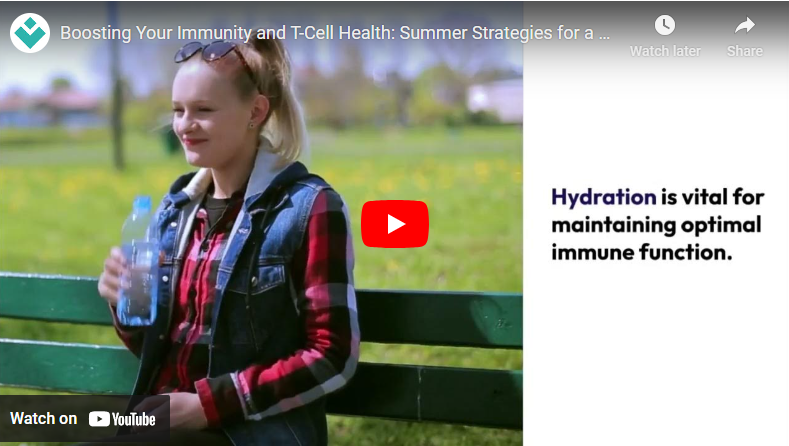
As the summer months roll in, we at Virax Biolabs think that this is an opportune time to focus on strengthening our immune systems and optimizing our T-cell health. With the fall season around the corner, it’s essential to prepare our bodies to combat respiratory viruses effectively. By implementing a few simple strategies during the summer, we can fortify our immunity and equip ourselves to tackle potential health challenges ahead. Let’s explore some key steps to enhance your immune system and promote T-cell health this summer. Nourish Your Body with a Balanced Diet and Prioritize Physical Activity: A well-balanced diet is the foundation of a robust immune system. Focus on consuming a variety of fresh fruits, vegetables, whole grains, lean proteins, and healthy fats. Incorporate immune-boosting foods rich in vitamins A, C, D, and E, iron, as well as zinc and selenium. Include citrus fruits, berries, leafy greens, nuts, seeds, and fermented foods like yogurt and sauerkraut. Avoid excessive sugar, processed foods, and unhealthy fats, as they can impair immune function. Engaging in regular physical activity has multiple benefits for your immune system. Exercise helps boost circulation, reduces stress levels, improves sleep quality, and enhances the production and circulation of immune cells, including T-cells. Engage in activities you enjoy, such as walking, cycling, swimming, or dancing. Aim for at least 30 minutes of moderate-intensity exercise most days of the week. It’s important to note that obesity is associated with impaired T-cell functions, so being active, reducing calorie intake and losing weight in the summer months can have a lasting benefit. Additionally, combining a balanced diet and physical activity can heed off leptin deficiency, which is also associated with impaired immune health. Stay Hydrated: Hydration is vital for maintaining optimal immune function. During the summer heat, ensure you drink an adequate amount of water throughout the day. Hydrating helps flush out toxins, supports the production of lymphocytes (a type of white blood cell crucial for immune response), and maintains a healthy mucous membrane in your respiratory system. Soak Up the Sun for Vitamin D: Sunshine is not just about relaxation; it also provides a natural source of vitamin D. Spending time outdoors and exposing your skin to sunlight helps your body produce vitamin D, which plays a crucial role in immune function. Aim for 10-15 minutes of sunlight exposure without sunscreen, preferably in the morning or late afternoon when the sun is less intense. Remember to protect your skin from excessive sun exposure after this initial period. Manage Stress Levels: Chronic stress can weaken your immune system, making you more susceptible to infections. Take proactive steps to manage stress and promote relaxation. Practice mindfulness techniques like meditation, deep breathing exercises, or yoga. Engage in activities that bring you joy and help you unwind. Prioritize quality sleep, as it plays a crucial role in maintaining immune function. Maintain Proper Hygiene and Prevent Infections: While summer may feel less prone to respiratory viruses, it’s essential to maintain good hygiene practices to prevent the spread of any infections. Wash your hands frequently with soap and water for at least 20 seconds, especially after being in public places. Avoid touching your face, nose, or mouth without clean hands. Practice respiratory etiquette by covering your mouth and nose with a tissue or your elbow when coughing or sneezing. Consider Supplements Wisely: Supplements can be helpful in supporting immune health, but it’s important to consult with a healthcare professional before starting any new regimen. They can guide you on suitable options such as vitamin C, vitamin D, zinc, amino acids like glutamine, or probiotics based on your individual needs. Remember that supplements should complement a healthy diet and lifestyle, not replace them. By implementing these strategies during the summer months, you can enhance your immune system and promote T-cell health to prepare for the challenges that respiratory viruses may bring in the fall. Remember to nourish your body with a balanced diet, stay hydrated, get adequate sunlight, engage in regular physical activity, manage stress levels, maintain good hygiene, and consider supplements under professional guidance. With these proactive steps, you can empower your immune system and embrace the changing seasons with confidence in your well-being. Disclaimer: This article is for informational purposes only and does not constitute medical advice. Please consult a healthcare professional before making any changes to your diet, lifestyle, or supplementation routine. Sources:
The Immune System and the Role of T Cells

By Dr Clément Monteil When the human body encounters an external infection such as a virus, bacteria or parasite, it activates a complex and coordinated defence mechanism to identify, target and eliminate the invading pathogen. This response is managed by the immune system, an elaborate network consisting of cells, organs, and molecules, designed to protect against infections and diseases. The immune system functions through two primary levels: innate and adaptive immunity. Innate immunity acts as the first line of defence, providing a rapid but non-specific response to the pathogens. It includes physical barriers like the skin and mucous membranes, alongside immune cells such as macrophages and neutrophils, which consume and neutralize infectious agents. It also involves proteins designed to disrupt them, ensuring an immediate protective response. Adaptive immunity, in comparison, delivers a precise and targeted response to specific infectious agents. This system has a remarkable ability to remember past infections, allowing for a quicker and more effective response if the same pathogen is encountered again. This aspect of the immune system demonstrates an impressive ability to adapt and respond more effectively over time. Lymphocytes are a type of white blood cell that are central to the adaptive immune system, specifically the B-cells and T-cells. B-cells are responsible for producing antibodies, which bind to pathogens and mark them for destruction. T-cells play a more direct role in killing infected cells or helping other immune cells to perform their functions more effectively. They are differentiated from the other lymphocytes by their development in the thymus and their critical roles in adaptive immunity. They circulate throughout the body, moving from the bloodstream into various tissues, especially the lymph nodes and spleen, where they are primed to respond to pathogens. This means that these cells have been activated and prepared to recognize and fight against specific infectious agents. They are essential for the body to mount an effective defence against many types of infections and diseases. T-cells are classified into several types based on their functions and the presence of specific surface molecules, known as cluster of differentiation (CD) markers. The main types include: Understanding the importance of T-cells has practical applications in medicine and biotechnology. Testing T-cells provides invaluable information about the immune status and potential vulnerabilities of an individual, informing both diagnosis and treatment strategies for a wide range of diseases. Various markers, including CD markers and cytokines (proteins secreted by cells that influence cell behaviour), are used to identify and characterize T-cells and their function. Different testing methods are employed to assess these markers and the overall function of T-cells. Flow cytometry is a technique that provides a detailed analysis of cells, detecting different surface and intracellular markers using fluorescently labelled antibodies. Enzyme-linked immunosorbent assay (ELISA) is used to quantify the presence of cytokines and other proteins in plasma samples, providing insights into the immune response. Finally, ELISpot and FluoroSpot assays offer a way to detect and quantify the production of cytokines by individual T-cells, giving a view of the cellular-level adaptive immune response to an infection.