
7 Reasons to Join ViraxImmune™’s T Cell Test Early Access Program
This week, we were excited to launch ViraxImmune™’s Research Use Only (RUO) Early Access Program. This program is designed to provide a new research tool and community for those committed to advancing the field of immune assessment, starting with our RUO application T-cell test for SARS-Cov-2. Here are some reasons that we think you should join this program and sign up for our introductory webinar on LinkedIn Live: ** Participation in ViraxImmune™’s Early Access Program is an opportunity to engage with our novel peptide mix for use in adaptive immunity assessment: we are working hard to facilitate an opportunity to be part of a broader research effort in immune system understanding. Together, we can explore the intricacies of immune responses, forge innovative solutions, and collectively elevate the field of immunology. If you are driven to expand the horizons of immune assessment research, we encourage you to register for our introductory webinar on LinkedIn Live. ViraxImmune™ stands ready to support your research endeavors as we collectively shape the future of immunology: we’re keen for you to join along. Caution Concerning Forward Looking Statements: This blog post contains forward-looking statements. In addition, from time to time, we or our representatives may make forward-looking statements orally or in writing. We base these forward-looking statements on our expectations and projections about future events, which we derive from the information currently available to us. Such forward-looking statements relate to future events or our future performance, including: our financial performance and projections; our growth in revenue and earnings; and our business prospects and opportunities. You can identify forward-looking statements by those that are not historical in nature, particularly those that use terminology such as “may,” “should,” “expects,” “anticipates,” “contemplates,” “estimates,” “believes,” “plans,” “projected,” “predicts,” “potential,” or “hopes” or the negative of these or similar terms. In evaluating these forward-looking statements, you should consider various factors, including: our ability to change the direction of the Company; our ability to keep pace with new technology and changing market needs; and the competitive environment of our business. These and other factors may cause our actual results to differ materially from any forward-looking statement. Forward-looking statements are only predictions. The forward-looking events discussed in this blog post and other statements made from time to time by us or our representatives, may not occur, and actual events and results may differ materially and are subject to risks, uncertainties, and assumptions about us. These forward-looking statements are based on information currently available to Virax and its current plans or expectations and are subject to a number of known and unknown uncertainties, risks and other important factors that may cause our actual results, performance or achievements to be materially different from any future results, performance or achievements expressed or implied by the forward-looking statements. These and other important factors are described in detail in the “Risk Factors” section of Virax’s Annual Report on Form 20-F for the year ended March 31, 2022. Although we believe the expectations reflected in such forward-looking statements are reasonable, we can give no assurance that such expectations will prove to be correct. We are not obligated to publicly update or revise any forward-looking statement, whether as a result of uncertainties and assumptions, the forward-looking events discussed in this blog post and other statements made from time to time by us or our representatives might not occur. Media and Investor Contact:
T Cell Secrets by James Foster

Virax Biolabs Group Announces Early-Access Program Launch of Research Use Only ViraxImmune Product and Hosts Webinar
Virax Biolabs Group Appoints Dr. Nigel McCracken as Chief Operating Officer to Oversee Growth Momentum

Understanding the Risks of RSV This Fall

As the leaves begin to change and temperatures start to drop, the approach of fall is met with anticipation and excitement. However, this year, a concerning shadow looms over the season. Respiratory Syncytial Virus (RSV), a common cause of respiratory infections in children and adults alike, has taken an unexpected turn. Recent events in the Southern Hemisphere provide valuable insights into the potential risks that RSV may pose this fall. Today, we’ll delve into the nature of RSV, explore its impact in the Southern Hemisphere, and discuss the measures that can be taken to mitigate its effects as we approach the cooler months. Understanding RSV: Respiratory Syncytial Virus (RSV) is a highly contagious virus that primarily affects the respiratory tract. It can lead to a range of symptoms, from mild cold-like symptoms to more severe lower respiratory tract infections, particularly in infants, young children, and older adults. RSV spreads through droplets from coughs and sneezes or by touching contaminated surfaces. RSV in the Southern Hemisphere: The Southern Hemisphere experienced an unusual and alarming surge in RSV cases during its winter months. Traditionally, RSV cases follow a predictable pattern, with peaks occurring during the colder months. However, in some regions, including parts of Australia and New Zealand, RSV infections skyrocketed outside of the usual timeframe. This unexpected increase led to overwhelmed healthcare systems and raised concerns about the upcoming fall and winter in the Northern Hemisphere. Factors Behind the Southern Hemisphere Surge: Several factors contributed to the atypical RSV outbreak in the Southern Hemisphere. One significant factor was the reduction in RSV transmission during the previous year due to COVID-19 mitigation measures, leading to a population with lower immunity. As these measures were eased, RSV found a more susceptible population, resulting in a surge in cases. Potential Risks This Fall: The Southern Hemisphere experience serves as a cautionary tale for the Northern Hemisphere. As COVID-19 restrictions continue to fluctuate, populations may similarly experience reduced immunity to RSV. This, coupled with the natural seasonality of the virus, could lead to an increased risk of infections in the upcoming fall and winter months. Mitigation Strategies: 1. Vaccination: While there is no specific vaccine for RSV available for universal use, efforts are ongoing to make them available to children and elders. Research into RSV vaccines has gained momentum in recent years, and advancements in this area could provide a vital tool in reducing the impact of the virus for all demographics. 2. Hygiene and Preventive Measures: As with many respiratory viruses, practicing good hygiene remains crucial. Regular handwashing, avoiding close contact with sick individuals, and wearing masks in crowded or high-risk settings can help reduce the spread of RSV. 3. Healthcare Preparedness: Healthcare systems must remain vigilant and prepared to handle potential surges in RSV cases. Adequate resources, including hospital beds, ventilators, and medical personnel, should be available to address the needs of patients, particularly vulnerable populations. The unexpected RSV outbreak in the Southern Hemisphere serves as a stark reminder that infectious diseases can be unpredictable and require continuous vigilance. As we approach the fall season, understanding the risks of RSV and implementing preventive measures are essential to safeguarding public health. By learning from the experiences of others, we can work together to mitigate the impact of RSV and ensure a healthier transition into the colder months. Caution Concerning Forward Looking Statements: This blog post contains forward-looking statements. In addition, from time to time, we or our representatives may make forward-looking statements orally or in writing. We base these forward-looking statements on our expectations and projections about future events, which we derive from the information currently available to us. Such forward-looking statements relate to future events or our future performance, including: our financial performance and projections; our growth in revenue and earnings; and our business prospects and opportunities. You can identify forward-looking statements by those that are not historical in nature, particularly those that use terminology such as “may,” “should,” “expects,” “anticipates,” “contemplates,” “estimates,” “believes,” “plans,” “projected,” “predicts,” “potential,” or “hopes” or the negative of these or similar terms. In evaluating these forward-looking statements, you should consider various factors, including: our ability to change the direction of the Company; our ability to keep pace with new technology and changing market needs; and the competitive environment of our business. These and other factors may cause our actual results to differ materially from any forward-looking statement. Forward-looking statements are only predictions. The forward-looking events discussed in this blog post and other statements made from time to time by us or our representatives, may not occur, and actual events and results may differ materially and are subject to risks, uncertainties, and assumptions about us. These forward-looking statements are based on information currently available to Virax and its current plans or expectations and are subject to a number of known and unknown uncertainties, risks and other important factors that may cause our actual results, performance or achievements to be materially different from any future results, performance or achievements expressed or implied by the forward-looking statements. These and other important factors are described in detail in the “Risk Factors” section of Virax’s Annual Report on Form 20-F for the year ended March 31, 2022. Although we believe the expectations reflected in such forward-looking statements are reasonable, we can give no assurance that such expectations will prove to be correct. We are not obligated to publicly update or revise any forward-looking statement, whether as a result of uncertainties and assumptions, the forward-looking events discussed in this blog post and other statements made from time to time by us or our representatives might not occur. Media and Investor Contact:
The Importance of Fall Vaccinations Against Respiratory Illnesses
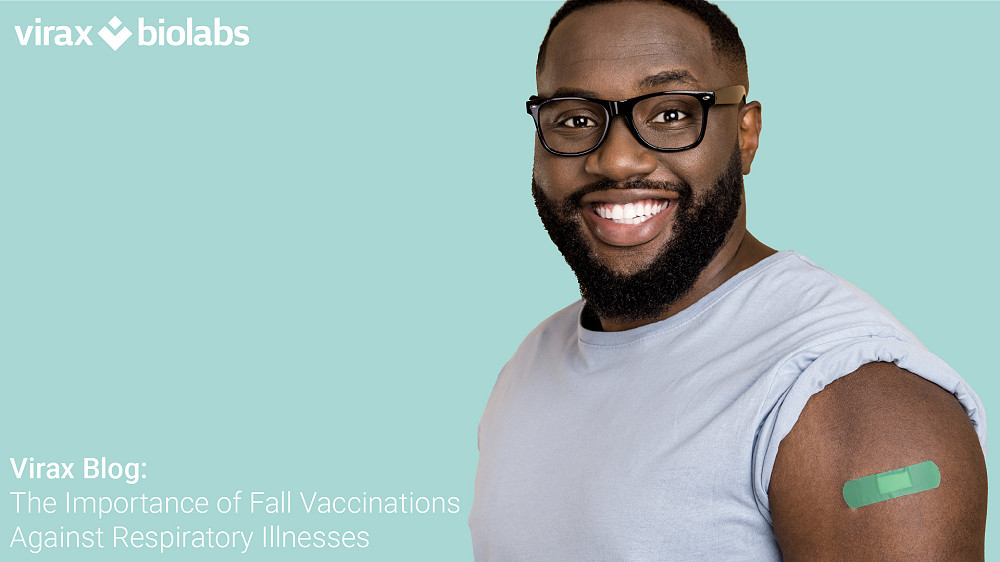
As the warm embrace of summer gradually gives way to the crisp coolness of fall, thoughts turn to pumpkin spice lattes, cozy sweaters, and the vibrant colors of changing leaves. However, with the changing of the seasons also comes the potential for an uptick in respiratory illnesses. This is where the importance of vaccinations against common respiratory illnesses shines through. In today’s blog post, we will explore why vaccinations are a crucial aspect of preparing for the fall season and how they play an essential role in keeping individuals and communities healthy. The Seasonal Respiratory Challenge With autumn’s arrival, the prevalence of respiratory illnesses tends to spike due to factors like colder weather, reduced outdoor activities, and greater indoor gatherings. Illnesses such as the flu and the common cold become more prevalent, bringing along discomfort, missed work or school days, and potential complications, especially among vulnerable populations. The Power of Immunization Vaccinations represent a triumph of modern medicine, offering powerful tools to combat infectious diseases. Traditional vaccinations work by introducing harmless fragments of a pathogen into the body, vaccines empower the immune system to recognize and neutralize the real threat more effectively. A more recent technology, mRNA vaccines utilize a small piece of genetic material called messenger RNA to instruct cells in the body to produce a harmless piece of the target virus, triggering an immune response that provides protection against the actual virus. Whatever the case is, these proactive approaches not only safeguard vaccinated individuals from severe illness but also contribute to community immunity, reducing the overall spread of infections. Here are some to keep in mind: 1. Influenza Vaccination Influenza, commonly known as the flu, remains a perennial concern during the fall and winter months. A new flu vaccine is formulated annually to address the changing strains of the virus. By getting vaccinated against the flu, individuals not only shield themselves from its potential impact but also help limit its spread within their communities. Collective vaccination efforts bolster the protection of vulnerable individuals, such as the elderly and those with chronic conditions, who are at greater risk of severe flu-related complications. By opting for the flu vaccine, you actively participate in safeguarding the health of your loved ones and neighbors. 2. COVID-19 Vaccination The persistence of COVID-19 has underscored the importance of vaccinations as it has for the past few years. The novel coronavirus, SARS-CoV-2, can cause severe respiratory symptoms and has had far-reaching societal impacts. COVID-19 vaccinations have proven instrumental in curbing the virus’s spread, preventing hospitalizations, and saving lives. Participating in COVID-19 vaccination campaigns remains crucial to moving past the pandemic and returning to a sense of normalcy. By getting vaccinated, you’re not only protecting yourself but also contributing to a safer environment for everyone. 3. RSV Vaccination The medical landscape continues to evolve, and the emergence of respiratory syncytial virus (RSV) vaccinations is noteworthy. While RSV may cause mild symptoms in healthy individuals, it can lead to severe respiratory issues, particularly in vulnerable groups like infants and the elderly. RSV vaccinations, such as those that are being introduced for elderly populations in the United States and United Kingdom, offer the potential to reduce hospitalizations and complications associated with this virus, benefitting both vaccinated individuals and those at higher risk. As we embrace the beauty and changes of fall, prioritizing our health becomes paramount. Vaccinations against respiratory illnesses, including the flu, COVID-19, and RSV provide us with the tools to fortify our immune defenses. By making the choice to get vaccinated, we demonstrate our commitment to personal well-being, community health, and the collective journey toward a healthier future. This fall, let’s stand united in our dedication to safeguarding ourselves and those around us through the power of vaccination. Caution Concerning Forward Looking Statements: This blog post contains forward-looking statements. In addition, from time to time, we or our representatives may make forward-looking statements orally or in writing. We base these forward-looking statements on our expectations and projections about future events, which we derive from the information currently available to us. Such forward-looking statements relate to future events or our future performance, including: our financial performance and projections; our growth in revenue and earnings; and our business prospects and opportunities. You can identify forward-looking statements by those that are not historical in nature, particularly those that use terminology such as “may,” “should,” “expects,” “anticipates,” “contemplates,” “estimates,” “believes,” “plans,” “projected,” “predicts,” “potential,” or “hopes” or the negative of these or similar terms. In evaluating these forward-looking statements, you should consider various factors, including: our ability to change the direction of the Company; our ability to keep pace with new technology and changing market needs; and the competitive environment of our business. These and other factors may cause our actual results to differ materially from any forward-looking statement. Forward-looking statements are only predictions. The forward-looking events discussed in this blog post and other statements made from time to time by us or our representatives, may not occur, and actual events and results may differ materially and are subject to risks, uncertainties, and assumptions about us. These forward-looking statements are based on information currently available to Virax and its current plans or expectations and are subject to a number of known and unknown uncertainties, risks and other important factors that may cause our actual results, performance or achievements to be materially different from any future results, performance or achievements expressed or implied by the forward-looking statements. These and other important factors are described in detail in the “Risk Factors” section of Virax’s Annual Report on Form 20-F for the year ended March 31, 2022. Although we believe the expectations reflected in such forward-looking statements are reasonable, we can give no assurance that such expectations will prove to be correct. We are not obligated to publicly update or revise any forward-looking statement, whether as a result of uncertainties and assumptions, the forward-looking events discussed in this blog post and other statements made from time to time by us or our representatives might not occur. Media and
Virax Biolabs Group Continues Growth and Expansion with the Addition of Research and Laboratory Facilities

Abu Dhabi, Dubai Serve as Gateway to International Markets for Biopharma

by Lisa Munger
How Virax Biolabs is Developing a Potentially Game-Changing Immunology Platform for T-Cell Testing (featuring Tomasz George)

Boosting Your Immunity and T Cell Health: Summer Strategies for a Resilient Immune System
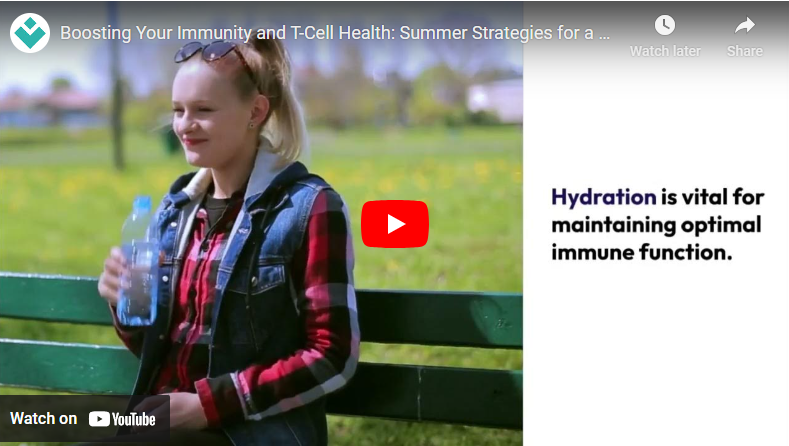
As the summer months roll in, we at Virax Biolabs think that this is an opportune time to focus on strengthening our immune systems and optimizing our T-cell health. With the fall season around the corner, it’s essential to prepare our bodies to combat respiratory viruses effectively. By implementing a few simple strategies during the summer, we can fortify our immunity and equip ourselves to tackle potential health challenges ahead. Let’s explore some key steps to enhance your immune system and promote T-cell health this summer. Nourish Your Body with a Balanced Diet and Prioritize Physical Activity: A well-balanced diet is the foundation of a robust immune system. Focus on consuming a variety of fresh fruits, vegetables, whole grains, lean proteins, and healthy fats. Incorporate immune-boosting foods rich in vitamins A, C, D, and E, iron, as well as zinc and selenium. Include citrus fruits, berries, leafy greens, nuts, seeds, and fermented foods like yogurt and sauerkraut. Avoid excessive sugar, processed foods, and unhealthy fats, as they can impair immune function. Engaging in regular physical activity has multiple benefits for your immune system. Exercise helps boost circulation, reduces stress levels, improves sleep quality, and enhances the production and circulation of immune cells, including T-cells. Engage in activities you enjoy, such as walking, cycling, swimming, or dancing. Aim for at least 30 minutes of moderate-intensity exercise most days of the week. It’s important to note that obesity is associated with impaired T-cell functions, so being active, reducing calorie intake and losing weight in the summer months can have a lasting benefit. Additionally, combining a balanced diet and physical activity can heed off leptin deficiency, which is also associated with impaired immune health. Stay Hydrated: Hydration is vital for maintaining optimal immune function. During the summer heat, ensure you drink an adequate amount of water throughout the day. Hydrating helps flush out toxins, supports the production of lymphocytes (a type of white blood cell crucial for immune response), and maintains a healthy mucous membrane in your respiratory system. Soak Up the Sun for Vitamin D: Sunshine is not just about relaxation; it also provides a natural source of vitamin D. Spending time outdoors and exposing your skin to sunlight helps your body produce vitamin D, which plays a crucial role in immune function. Aim for 10-15 minutes of sunlight exposure without sunscreen, preferably in the morning or late afternoon when the sun is less intense. Remember to protect your skin from excessive sun exposure after this initial period. Manage Stress Levels: Chronic stress can weaken your immune system, making you more susceptible to infections. Take proactive steps to manage stress and promote relaxation. Practice mindfulness techniques like meditation, deep breathing exercises, or yoga. Engage in activities that bring you joy and help you unwind. Prioritize quality sleep, as it plays a crucial role in maintaining immune function. Maintain Proper Hygiene and Prevent Infections: While summer may feel less prone to respiratory viruses, it’s essential to maintain good hygiene practices to prevent the spread of any infections. Wash your hands frequently with soap and water for at least 20 seconds, especially after being in public places. Avoid touching your face, nose, or mouth without clean hands. Practice respiratory etiquette by covering your mouth and nose with a tissue or your elbow when coughing or sneezing. Consider Supplements Wisely: Supplements can be helpful in supporting immune health, but it’s important to consult with a healthcare professional before starting any new regimen. They can guide you on suitable options such as vitamin C, vitamin D, zinc, amino acids like glutamine, or probiotics based on your individual needs. Remember that supplements should complement a healthy diet and lifestyle, not replace them. By implementing these strategies during the summer months, you can enhance your immune system and promote T-cell health to prepare for the challenges that respiratory viruses may bring in the fall. Remember to nourish your body with a balanced diet, stay hydrated, get adequate sunlight, engage in regular physical activity, manage stress levels, maintain good hygiene, and consider supplements under professional guidance. With these proactive steps, you can empower your immune system and embrace the changing seasons with confidence in your well-being. Disclaimer: This article is for informational purposes only and does not constitute medical advice. Please consult a healthcare professional before making any changes to your diet, lifestyle, or supplementation routine. Sources: